On Please Please Me, Which Is More 3-Dimensional, Mono or Twin Track?

Hot Stamper Pressings of the Music of The Beatles Available Now

With all due respect to George Martin, we’ve played a number of mono pressings of Please Please Me in the past twenty or so years and have never been particularly impressed with any of them. The monos jam all the voices and instruments together in the middle, stacking them one in front of the other, and lots of musical information gets mashed together and simply disappears in the congestion. 

But is twin track stereo any better?

Yes, when you do it the way Norman Smith did on Please Please Me.

Twin Track stereo (which is actually not very much like two-track stereo, I’m sure Wikipedia must have a listing for it if you’re interested) is like two mono tracks running simultaneously. It allows the completely separate voices to occupy one channel and the completely separate instruments to occupy another, with no leakage between them.

On some stereos it may seem as though the musicians and the singers are not playing together the way they would if one were hearing them in mono. They are in fact recorded on two separate mono tracks, the instruments appearing in the left channel and the singers in the right, separated as much as is physically possible.

Stuck in their individual stereo speakers, so far apart from one another, the members of the band don’t even seem to be playing together in the same room.

That’s on some stereos, and by some stereos I mean stereos that need improvement. Here’s why.

Three-Dimensional Mono?

In the final mixing stage, Norman Smith added separate reverb to each of the two channels, sending the reverb for the sound recorded in each channel to the opposite channel. This has the effect of making the studio, the physical space that The Beatles appear to be in, seem to stretch all the way from the right channel, where the Beatles’ voices are heard, to the back left corner of the studio, where the reverb eventually trails off.
(more…)

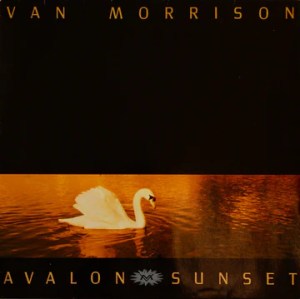
Van Morrison – Avalon Sunset

More of the Music of Van Morrison

  • Here is a vintage Polydor import pressing (one of only a handful of copies to ever hit the site) with solid Double Plus (A++) sound throughout
  • Both of these sides give you the richness, Tubey Magic, clarity and resolution few copies can touch
  • “Van Morrison scored one of his biggest commercial successes with Avalon Sunset, a record highlighted by the gorgeous ‘Have I Told You Lately,’ one of his most heartfelt love songs and a major radio hit which helped introduce his music to a new generation of listeners.”

(more…)

Count Basie – 88 Basie Street

  • Outstanding big band sound for one of Basie’s best records for Pablo, with both sides earning solid Double Plus (A++) grades or close to them – exceptionally quiet vinyl too
  • This is a top Pablo title in every way – musically, sonically, you name it, 88 Basie Street has got it going on!
  • With 18 pieces in the studio, this is a real powerhouse – the sound is is rich, lively, dynamic and huge (particularly on side two)
  • 4 stars: “One of Basie’s final albums, the very appealing title cut seems to sum up his career, a lightly swinging groove with a strong melody.”
  • If you’re a Count Basie fan, and what audiophile wouldn’t be?, this title from 1983 is surely a Must Own

This album can be a real powerhouse — if you have the right copy — and this superb pressing can show you just how lively and dynamic this music can be. It’s a true Demo Disc, no doubt about it.

Both sides here have real strength down low, nice extension up top, and incredible clarity and transparency. Play this one good and loud and put yourself front and center for a rip-roarin’ performance led by the king Bill (The Count) Basie.

We’ve become huge fans of these Basie big band records. Allen Sides knew just how to record this stuff by the time Basie came around to Pablo — on the better pressings you can hear that this is big band music recorded just right. The sound is clean and clear with excellent transparency and the kind of separation between the instruments that lets you appreciate the contributions of each player.

(more…)

Mahler / Symphony No. 4 – Another Disappointing Shaded Dog

Hot Stamper Classical and Orchestral Pressings Available Now

UPDATE 2026

The Decca recording with Solti from 1961 on London (CS 6217) is still the king on this title, as far as we know.

The review below is for a White Dog pressing of the Reiner performance that we’d played way back in 2007.

We’ve played others over the years, but nothing has impressed us all that much, so we are still going through the process of acquiring more copies of the London and have yet to do a shootout for them.

Our 2025 notes for LSC 2364 on Shaded Dog is that it is rich, but the strings are somewhat shrill and it has an unfortunate tendency to become more congested than we would like in the louder passages.

The sound is passable I suppose, but it’s hardly the pressing you want to play when it comes time to hear the music properly performed, and with top quality sound. This is of course the service we offer — the actual pressing that has audiophile sound with a performance to match — so we hope to see Hot Stamper pressings of the London coming to the site in 2026.

Fun Fact

Note that this recording from 1961 was rereleased on London in 1971 with a different catalog number (CS 6781) and a different cover, as well as notably inferior sound. Audiophiles would do well to avoid it.


Our Old Listing

This Mahler work is very accessible and enjoyable. Lovely, smooth, sweet string tone. This, along with the 1st Symphony, are my favorites.  

Comparing the Classic Reissue with the white dog above (LSC 2364) reveals that Bernie Grundman got the tonal balance right (not a common occurrence), but the magic of the RCA string tone has mysteriously been replaced by the thick, glossy strings you might expect on a Phillips record.

Consider that the same effect could probably be achieved if you were to buy a Crown amplifier and hook it up to your speakers. I know that sound well. I had a Crown DC-300A in 1973 and, no, I don’t want it back.


The average Shaded Dog may be better than the average classical record, but that certainly doesn’t mean it has any claim to audiophile sound. We’ve played bad early RCA pressings by the hundreds. Now, with this blog we can point some of them out to music lovers who are more interested in top quality sound than owning pressings with the original label.

There are quite a number of other records that we’ve run into over the years with obvious shortcomings.

Here are some of them, a very small fraction of what we’ve played, broken down into the three major labels that account for most of the best classical and orchestral titles we’ve had the pleasure to play.

  • London/Decca records with weak sound or performances
  • Mercury records with weak sound or performances
  • RCA records with weak sound or performances

We’ve auditioned countless pressings in the 38 years we’ve been in business — buying, cleaning and playing them by the thousands.

(more…)

Thoughts on Hearing an Amazing Copy of Thriller in the 80s

Hot Stamper Pressing of the Music of Michael Jackson Available Now

The killer copy of Thriller that we discovered in our 2006 shootout gave us a whole new appreciation for just how good the album could sound. It was a real breakthrough, and proof that significant progress in audio is just a matter of time and effort, the more the better.


Our review from 2006

I remember twenty years ago (that would be 1986) playing Thriller and thinking the sound was transistory, spitty, and aggressive.

Well, I didn’t have a Triplanar tonearm, a beautiful VPI table and everything that goes along with them back then. (More here.)

Now I can play the record.

I couldn’t back then.

All that spit was simply my table, arm, cartridge and setup not being good enough, along with all the garbage downstream from them feeding the speakers.

The record is no different, it just sounds different now. Which is what makes the record a great test. If you can play this record, you can probably play practically any pop and rock record. (Orchestral music is quite another matter.)

This Pressing Changes Everything

This pressing has a side two that’s so amazing sounding that it completely changed my understanding and appreciation of this album. The average copy is a nice pop record. This copy is a Masterpiece of production and engineering.

(more…)

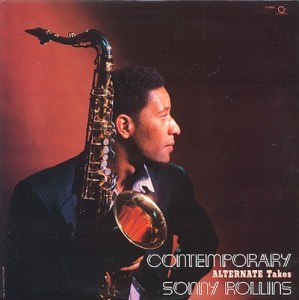
Sonny Rollins – Alternate Takes

  • You’ll have a hard time finding a copy that sounds remotely as good as this vintage Contemporary pressing
  • One of our favorite Sonny Rollins records for sound – both sides here are incredibly big, full-bodied and Tubey Magical
  • 4 1/2 stars: “This LP contains alternate versions of selections from two famous Sonny Rollins albums: Way out West and Sonny Rollins and the Contemporary Leaders. These ‘new’ renditions… hold their own against the classic versions. [T]he music is hard-swinging and frequently superb.”
  • If you’re a 50s and 60s jazz fan, this Must Own compilation of recordings originally released in 1958 surely belongs in your collection

The album is made up of alternate takes from the Way Out West and Sonny Rollins and the Contemporary Leaders sessions, and as such there is a bit of sonic variation between these tracks and the ones on the actual albums. The best-sounding songs here, particularly the material from Way Out West, can sound amazing.

All Tube in ’58

The best copies are rich and tubey; many pressings were thin and modern sounding, and for that they would lose a lot of points. We want this record to sound like something Roy DuNann recorded with an All Tube chain in 1958, and the best copies give you that sound, without the surface noise and groove damage the originals doubtless suffer from.

Some copies have much more space; some are more present, putting the musicians right in the room with you; some are more transparent, resolving the musical information much better than others, letting you “see” everyone in the studio clearly. Some have more rhythmic drive than others. On some the musicians seem more involved and energetic than they do on the average pressing.

The copies that do all these things better than other copies are the ones that win our shootouts.

(more…)

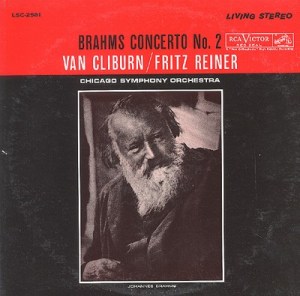
Brahms / Piano Concerto No. 2 / Cliburn / Reiner

More of the Music of Johannes Brahms

  • Van Cliburn’s exceptional performance of Brahm’s Piano Concerto No. 2, here with solid Double Plus (A++) Living Stereo sound or close to it throughout this early Shaded Dog pressing
  • It’s also fairly quiet at Mint Minus Minus, a grade that even our most well-cared-for vintage classical titles have trouble playing at
  • This side one is big, full-bodied, clean and clear, with a wonderfully present and solid piano, and plenty of 3D space around it, and side two is not far behind in all those areas
  • One of the best of the Cliburn recordings – most are not very good, the worst of them being LSC 2252 and the best of them being, probably, LSC 2507 with this one right up there with it
  • We’ve liked LSC 2296 with Rubinstein and Krips in the past, but after doing this shootout we have to say that Cliburn and Reiner set a higher standard for a recording of the work
  • On the right shaded dog pressing, LSC 2581 is yet another Must Own orchestral recording from 1962

Our main listening guy made some notes about the sound of the best pressings he heard. Here is what he wrote:

This LP might be tough for some customers to reproduce. The big peak at the end of track one on side one can have some tube/compressor distortion. Only the fullest, richest copies can properly reproduce this section without the piano and low end getting lost.

(more…)

Universal Japan and the Economics of Buying a Pig in a Poke

Skeptical Thinking Is Critical to Finding Better Records

One of my good customers sent me this email shortly after this series came out, circa 2000:

I noticed that Universal Japan has come out with several new titles, stuff I’m interested in, like Stevie Wonder / Innervisions… Stan Getz, James Brown… and many others — that are on acousticsounds.com.

Generally, for these somewhat expensive heavy vinyl releases (relative to used prices), I’m trying to stick with stuff where your site has favorable comments regarding the sound quality, but you don’t seem to carry these new items.

Do you think they are bad, or you just have not had a chance to check them out yet?”

I replied as follows:

We have a longstanding antipathy toward records pressed in Japan that were not recorded in Japan. (Here is one of the exceptions because the mastering was done by the real mastering engineer, using the real tape, here in America. There are also some excellent direct to disc albums that were recorded here in the states and subsequently pressed in Japan.)

Japanese pressings almost NEVER sound good to these ears. The only report I’ve heard concerned Aja, which was that it was awful, bright as bright can be.

A Japanese pressing that’s too bright? Shocking. Say it isn’t so.

We are going to be carrying almost no new releases of Heavy Vinyl pressings from now on.

They just don’t sound good to us and we don’t want to waste our time playing bad records when there are so many good ones sitting around that need a loving home.

If you pay $30 for Heavy Vinyl reissues and only one out of five sounds good — an optimistic estimate if you ask me — you’re really paying $150 for the one good one, right?

This makes no sense to me. And since the real odds are one out of ten, it’s really $300 for the good one.

(more…)

Paul Desmond / Take Ten – Living Stereo Tubey Magical Sound from 1963

More Living Stereo Titles

  • Paul Desmond’s 1963 Cool Jazz Classic returns to the site for the first time in years, here with INSANELY GOOD Shootout Winning Triple Plus (A+++) sound from start to finish
  • These are just a few of the things we had to say about this amazing copy in our notes: “fully extended from top to bottom”…”big and rich and 3D”…”very full and rich sax”…”jumping out of the speakers”…”3D and lively guitar and snare”…”texture and space all there!” (side two)
  • The brilliant Ray Hall engineered – anyone hearing this copy will understand exactly why we love to find his fabulous 60s recordings here at Better Records
  • Desmond joins forces here with Jim Hall, whose guitar stylings perfectly complement Paul’s velvety sax tone
  • This is a lot of money for a somewhat noisy copy, but the sound is so awesome and quiet pressings of the album so hard to come by that we hope someone will take a chance on it and get the thrill we did from hearing it sound right for once
  • 4 1/2 stars: “Everyone wanted Desmond to come up with a sequel to the monster hit Take Five; and so he did, reworking the tune and playfully designating the meter as 10/8. Hence Take Ten, a worthy sequel… There is not a single track here that isn’t loaded with ingeniously worked out, always melodic ideas.”

For us audiophiles both the sound and the music here are enchanting. If you’re looking to demonstrate just how good 1963 All Tube Analog sound can be, this killer copy will do the trick.

This vintage pressing is spacious, sweet and positively dripping with ambience. Talk about Tubey Magic, the liquidity of the sound here is positively uncanny. This is vintage analog at its best, so full-bodied and relaxed you’ll wonder how it ever came to be that anyone seriously contemplated trying to improve it. (more…)

Beethoven / Symphony No. 4 / Siegfried Idyll / Monteux

More of the Music of Beethoven

  • This early Plum Label Victrola pressing of these lively and masterful performances earned solid Double Plus (A++) grades or close to them from first note to last
  • It’s also fairly quiet at Mint Minus Minus, a grade that even our most well-cared-for vintage classical titles have trouble playing at
  • Boatloads of energy, loads of detail and texture, superb transparency and excellent clarity (particularly on side one) – all qualities the best vintage vinyl classical pressings have in abundance
  • A top performance of the 4th by Monteux and the LSO, with strings that are tonally correct, rich, and sweet (also particularly on side one)
  • The horns on the Wagner piece are reproduced quite well here too – how could a Wagner record be any good without good horns?

Both sides of this early Plum Label Victrola pressing are superb, with the kind of string tone only found on the best of the Living Stereo releases and other top quality Golden Age recordings.

Here is the kind of sound that Classic Records could not ignore, even though the original was only ever made available as part of RCA’s budget reissue series, Victrola.

Don’t let its budget status fool you — this pressing puts to shame most of what came out on the full price Living Stereo label. (And handily beats any Classic Records reissue ever made.)

And Monteux is once again superb.

We played a large group of Beethoven’s symphonies this week and this was clearly one of the best, if not THE best. Well recorded Beethoven is hard to come by. The box sets we played were mediocre at best, and that left us with only a handful of clean early pressings. These records just aren’t out there like they used to be.

(more…)